
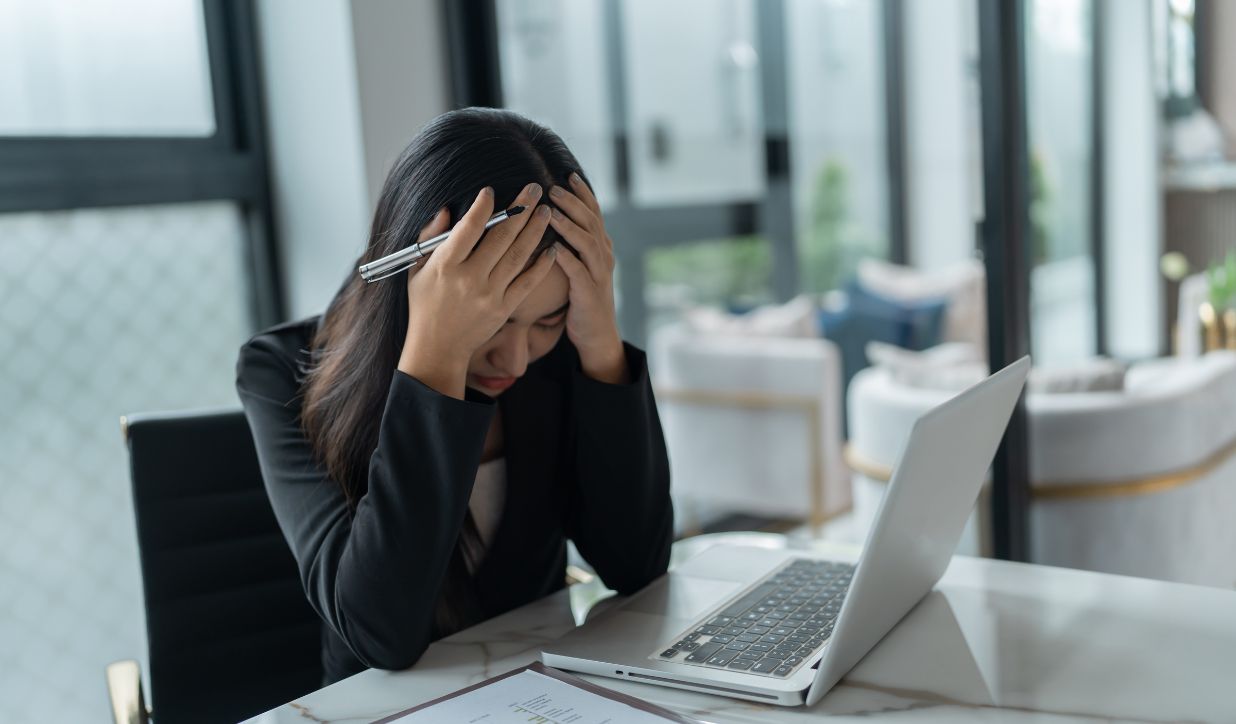
Well! You must have heard the word “stress” but do we exactly know what is stress? Welcome to our blog in which we are going to have some knowledge on stress and its various impacts on our life, including our physical health. Meaning of stress is the response of your body to any challenge and difficulties that come across in your life in different forms. Whether it is an office deadline, certain responsibilities, unpredicted life changes, or much more, it can really impact our daily functioning, which ultimately affects our mental and physical health.
What is Stress?
Stress can be defined as body’s natural emotional and physical reaction to any challenge and demand which is also known as “stress response”. Also, it is how your body responds to any situation when you need any adjustments, focus and action.
Sometimes you feel you are under pressure and this is where you start feeling stress, whether it is from work, family, and especially finances these days. There is a hormone in our body called adrenaline which prepares you to face the challenges in your life (also known as fight response). While a short term stress can help you to stay focused or perform better, on the other side a long term stress can negatively impact your health.
Causes Of Stress
Stress has become a part of our daily lifestyle, affecting people across all age groups. There are many factors that contribute to rising stress levels among people. Now let’s go through to some reasons and also check the helpful tips.
1. Work Pressure & Long Hours
Nowadays working professionals, due to very hectic schedules and long working hours, experience stress, and the constant expectation to perform better creates pressure.
2. Financial Challenges
Increasing living costs, loans, EMIs, and savings concerns often become a major source of anxiety.
3. Technology Overload
Constant notifications, screen time, social media comparison, and lack of digital boundaries make it hard to disconnect and relax.
4. Relationship Issues
Conflicts with family, partners, or friends, and the pressure to maintain work–life balance can be emotionally draining.
5. Health Concerns
Poor lifestyle habits, lack of sleep, unhealthy diets, and limited physical activity contribute to both mental and physical stress.
6. Academic Pressure (for Students)
Competitive exams, performance expectations, and fear of failure raise stress levels in young people.
How to avoid stress and anxiety
Avoiding stress and anxiety doesn’t mean eliminating problems, but learning how to manage them better. Here are some proven ways:
1. Practice Deep Breathing
Slow, deep breaths help calm your nervous system and reduce anxiety instantly. Techniques like 4-7-8 breathing work well.
2. Maintain a Routine
A structured daily routine brings stability, reduces confusion, and helps you feel more in control.
3. Exercise Regularly
Even 20–30 minutes of walking, yoga, or stretching releases endorphins that naturally reduce stress.
4. Limit Screen Time
Reduce social media scrolling and unnecessary phone use. Too much digital exposure increases stress and comparison-based anxiety.
5. Prioritize Sleep
Taking a good sleep is very important to avoid stress and prevent other medical issues as we all know that less sleep or improper sleep can lead to many health related problems.
6. Stay Connected
Talking to your friends and family can help you avoid stress and anxiety. So, If you start sharing your feelings with your loved ones, it will help you better.
7. Practice Mindfulness & Meditation
Mindfulness keeps you focused on the present moment rather than worrying about the past or future.
8. Eat Healthy & Stay Hydrated
Balanced meals and plenty of water stabilize your mood and energy levels.
9. Learn to Say “No”
Don’t overload yourself with tasks. Setting boundaries reduces unnecessary pressure.
10. Engage in Hobbies
Reading, music, gardening, or any creative activity helps your mind relax and reset.
How to overcome stress
Now the concern is, how to overcome stress? Well! To overcome stress, you need to follow the process. Start by practising deep breathing or mindfulness to calm your mind and start live in the moment. Also, maintaining a healthy routine like yoga, excercise, and learning say to “no” can prevent extra unnecessary stress. It has been found that talking to your family and friends helps a lot in overcoming stress. So, If you are the one who is also looking for some remedies to get rid of stress, start practicing the above mentioned remedies.
Conclusion
In the end of this blog, i can say that stress is much more than just an emotional recation, actually it is a response that can really impact your physical health. When stress becomes constant, it affects our sleep, peace of mind, and also weakens immunity. Understanding, what is stress and its impact on your health can help you better dealing with it. With the right healing process, you can protect your well being and peace of mind.